Why Data-Driven Retailers Will Outperform in Uncertain Markets
Why Data-Driven Retailers Will Outperform in Uncertain Markets For retail leaders, uncertainty is no longer an occasional challenge. It…

Practical guides for retailers and shopping mall operators.
Why Data-Driven Retailers Will Outperform in Uncertain Markets For retail leaders, uncertainty is no longer an occasional challenge. It…
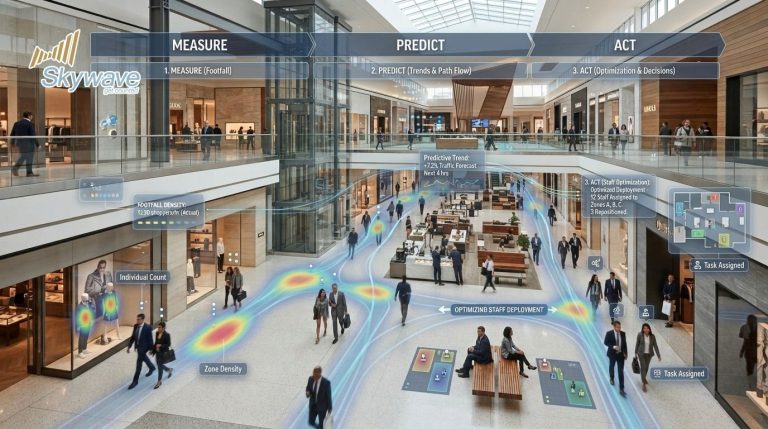
Retail has never had more data. Retailers can measure transactions, customer traffic, marketing performance, inventory, staffing, digital engagement and…
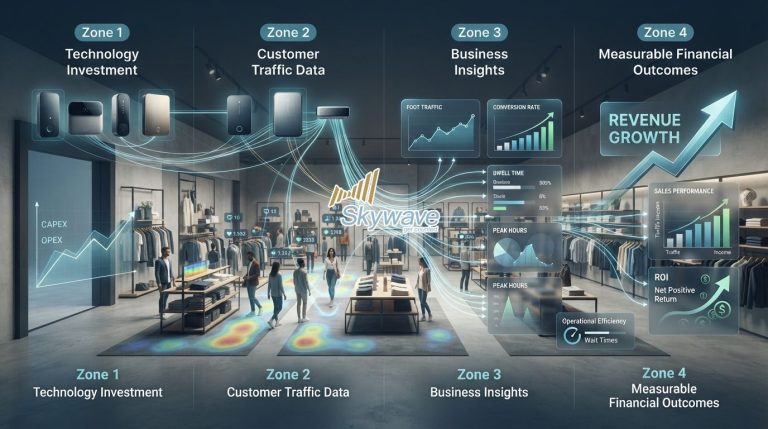
Why CFOs and management teams should stop asking, “How much does the technology cost?” and start asking, “What business…
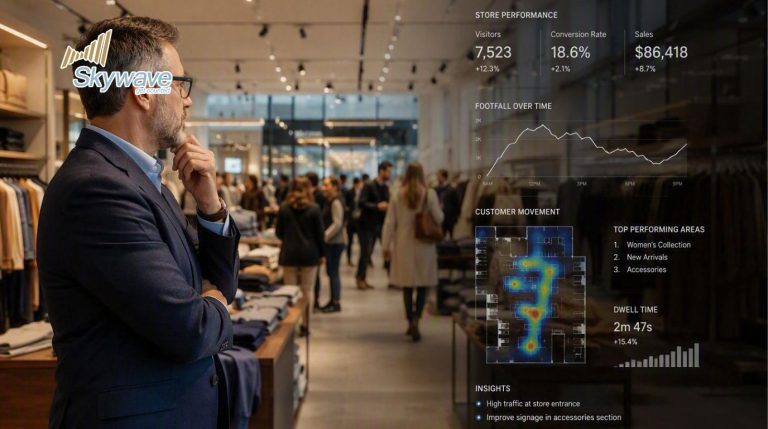
For decades, retail has been a business built on instinct. A store manager walks the floor and knows when…
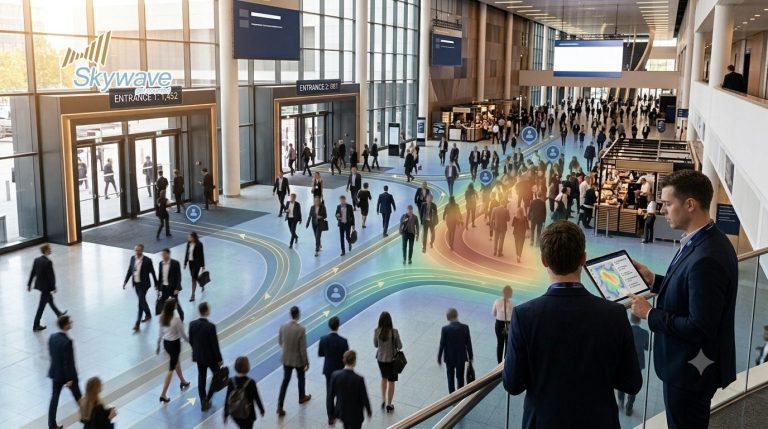
Large venues are designed to bring people together. Stadiums, convention centers, transport hubs, exhibition halls, tourist attractions, arenas, and…
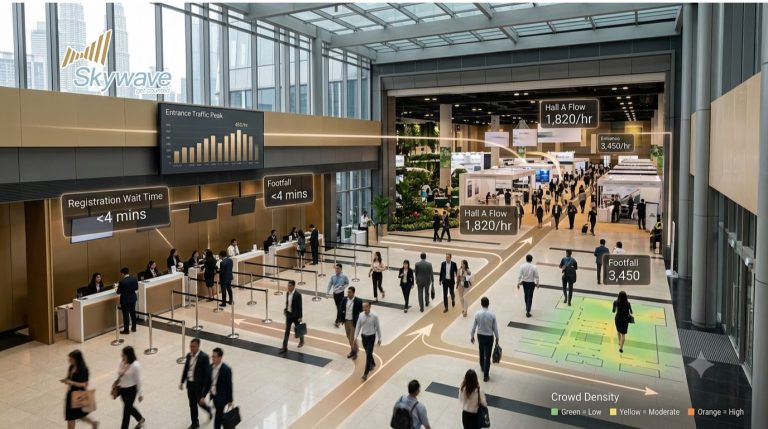
A successful event is not measured only by how many people attend. It is also measured by how smoothly…
A People Counting System is a technology used to measure the number of individuals entering, exiting, or moving through a particular space. These systems use sensors such as infrared, video analytics, or Wi-Fi tracking to gather data, which helps businesses understand traffic flow and make informed decisions.
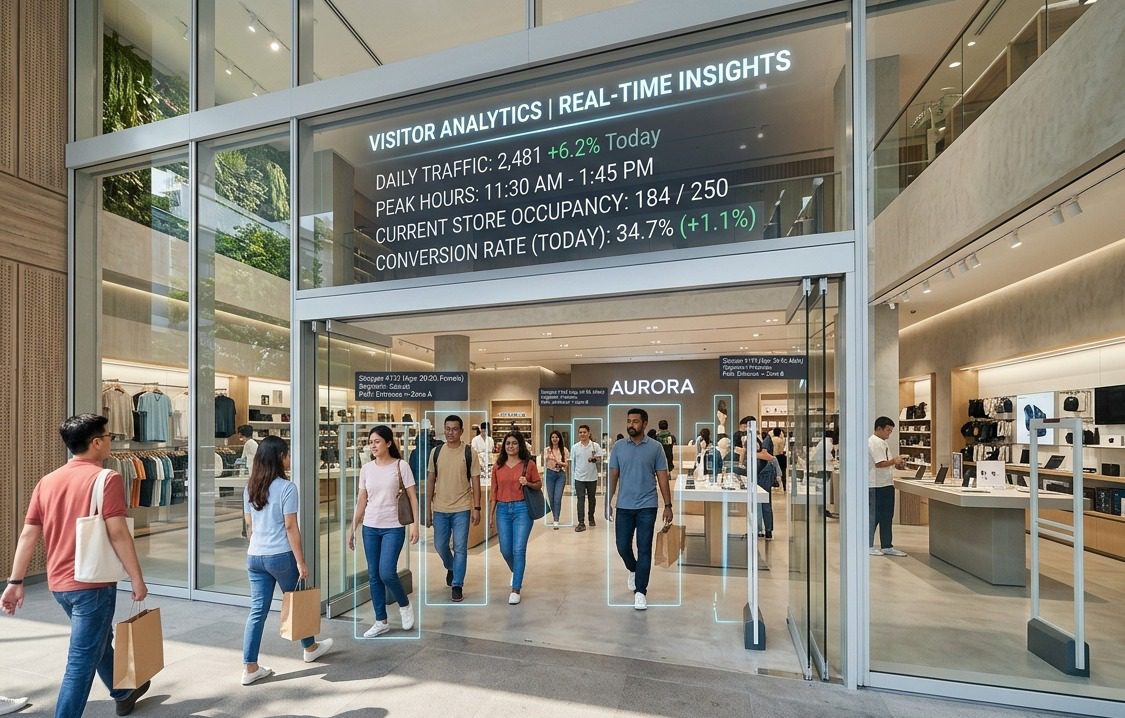
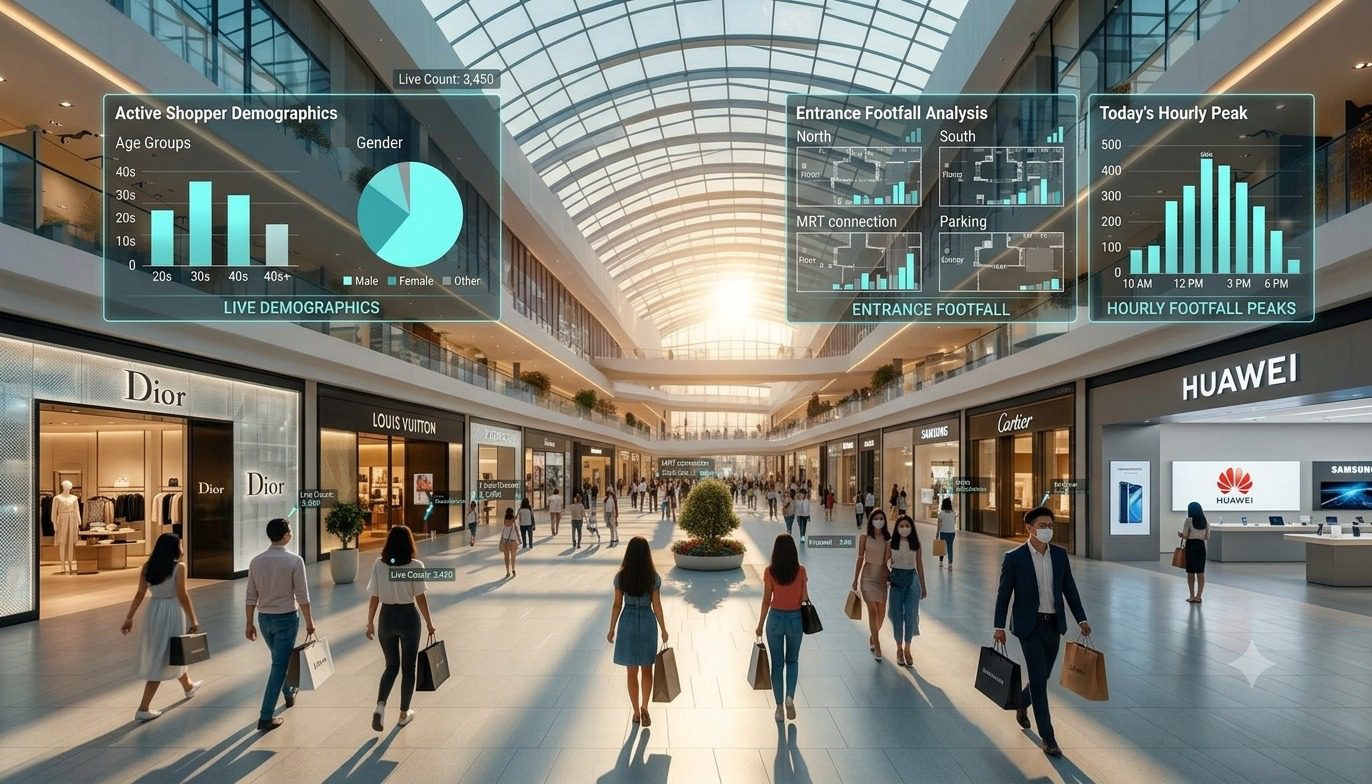
People counting helps businesses optimize operations, improve customer service, and increase revenue. By understanding foot traffic patterns, businesses can adjust staffing, manage store layouts, evaluate marketing effectiveness, and monitor occupancy levels in real time.
People counting systems can be implemented in various locations such as retail stores, shopping malls, airports, museums, libraries, public transport stations, and office buildings. Any environment where traffic data is valuable can benefit from this technology.
Modern people counting systems, especially those using AI-powered video analytics and stereo vision, can achieve accuracy rates of over 95%. However, accuracy can vary depending on the environment, lighting conditions, and sensor placement.
Yes, most people counting systems are designed with privacy in mind. They typically do not collect personal or identifiable information. Instead, they focus solely on detecting movement or presence, ensuring compliance with data protection regulations like GDPR.